
Summary
- The Australian government has encouraged citizens to continue with their Easter travel plans even as fuel shortages affect hundreds of petrol stations across the country.
- Albanese encouraged citizens to limit unnecessary fuel use and to rely on public transport where possible.
- Use only the fuel you need, avoid stockpiling, and consider alternatives such as public transport where possible.
The Australian government has encouraged citizens to continue with their Easter travel plans even as fuel shortages affect hundreds of petrol stations across the country. Energy Minister Chris Bowen addressed the nation on Saturday, acknowledging the strain but urging people not to cancel their holidays. “Easter is a very special time of faith and family,” Bowen said. “Go take a break, but get no more fuel than you need.”
Fuel prices in Australia have surged since the outbreak of the US-Israel war with Iran and the effective closure of the Strait of Hormuz, a vital shipping route for global oil and gas supplies. The disruption has left Australia particularly exposed, given that the country imports about 90 percent of its fuel from the Middle East.
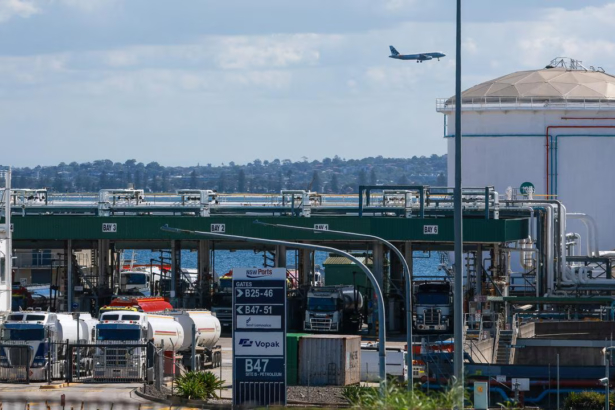
Bowen revealed that 312 of Australia’s roughly 8,000 service stations had run out of diesel, with most of the shortages concentrated in rural areas where replenishment takes longer. He reassured the public that reserves remain strong, with 39 days’ worth of petrol, 29 days’ worth of diesel, and 30 days’ worth of jet fuel available.
The near-total suspension of international shipping through the Strait of Hormuz has created ripple effects across the global economy. Around 20 percent of the world’s oil and natural gas normally flows through the waterway, and its closure has driven up energy prices worldwide. Governments in multiple countries have implemented conservation measures to manage the shock.
Prime Minister Anthony Albanese addressed the nation earlier in the week, warning that the economic impact of the Middle East conflict would be felt for months. “Australia is not an active participant in this war. But all Australians are paying higher prices because of it,” he said. Albanese encouraged citizens to limit unnecessary fuel use and to rely on public transport where possible.
Despite the challenges, officials have emphasized the importance of maintaining normalcy during the Easter holiday. The government’s message reflects a balance between acknowledging the severity of the crisis and reassuring families that they can still celebrate. Bowen’s remarks highlight the need for restraint in fuel consumption while avoiding panic buying that could worsen shortages.
A small number of vessels have managed to pass through the Strait of Hormuz in recent days, offering a glimmer of hope that some supply chains may resume. However, the broader picture remains uncertain, and analysts caution that the situation could deteriorate further if the conflict escalates.
For Australians planning to travel this Easter, the government’s advice is clear: continue with your plans, but exercise caution. Use only the fuel you need, avoid stockpiling, and consider alternatives such as public transport where possible. The holiday season remains a time for family and faith, even as the nation navigates the economic turbulence caused by events far beyond its borders.
We welcome your contributions! Submit your blogs, opinion pieces, press releases, news story pitches, and news features to opinion@minutemirror.com.pk and minutemirrormail@gmail.com