


Summary
- India is expanding its central bank digital currency, known as the e-rupee, in an effort to improve its large welfare payment system and reduce inefficiencies.
- Under the system, about 80% of the cost is transferred directly into a digital wallet, but the money can only be spent at approved vendors.
- Around 10 pilot programs are currently testing different uses of the digital currency in welfare and food distribution systems.
India is expanding its central bank digital currency, known as the e-rupee, in an effort to improve its large welfare payment system and reduce inefficiencies.
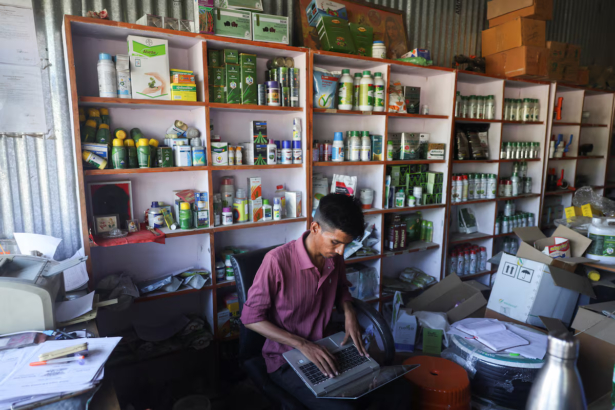
The initiative is being tested through several pilot projects across the country. One such experiment is underway in rural Maharashtra, where farmers receive subsidies directly in digital currency for agricultural equipment and irrigation systems.
In one example, farmer Samadhan Sonawane used the e-rupee to install a drip irrigation system on his onion farm. The payment was part of a government subsidy program designed to ensure funds reach beneficiaries directly without delays or misuse.
Under the system, about 80% of the cost is transferred directly into a digital wallet, but the money can only be spent at approved vendors. Officials say this helps prevent corruption and ensures targeted use of government support.
The project is being run with support from the Reserve Bank of India along with state governments and international partners. Around 10 pilot programs are currently testing different uses of the digital currency in welfare and food distribution systems.
In another state, Gujarat, thousands of beneficiaries are receiving subsidised food through the same digital system. Authorities plan to expand coverage to millions of eligible families in the coming months.
Officials say the system improves transparency, reduces leakage in welfare programs, and makes distribution faster and more efficient. They also believe it can help strengthen financial inclusion in rural areas.
However, the initiative has also raised concerns. Some experts warn that strict controls on how digital money can be used may reduce user trust. Critics argue that heavily restricted or “programmed” money may limit freedom in financial transactions.
Despite challenges, India continues to position the e-rupee as a key tool in modernizing payments and strengthening its welfare infrastructure. Adoption remains limited compared to traditional digital payment systems, but authorities see long-term potential if successful use cases emerge.
We welcome your contributions! Submit your blogs, opinion pieces, press releases, news story pitches, and news features to opinion@minutemirror.com.pk and minutemirrormail@gmail.com