

Summary
- He cautioned that failure to comply could trigger direct strikes on Iran’s energy infrastructure.
- The conflict has severely impacted global energy markets.
- The ongoing war has triggered one of the most severe disruptions to global energy supply in recent history.
Tensions in the Middle East escalated sharply as Iran rejected peace proposals from the United States, calling them “unrealistic” while launching fresh missile attacks on Israel.
The latest wave of strikes marks a further intensification of the ongoing conflict, which has now spread across multiple countries in the region. Israeli authorities reported intercepting missiles and drones, including aerial threats originating from Yemen, where Houthi forces have entered the war.
In response, Israeli forces carried out airstrikes targeting military-linked infrastructure in Tehran and positions associated with Hezbollah in Beirut. The cross-border escalation has deepened fears of a wider regional war.
Meanwhile, U.S. President Donald Trump issued a stern warning to Tehran, demanding the reopening of the Strait of Hormuz — a critical global oil route. He cautioned that failure to comply could trigger direct strikes on Iran’s energy infrastructure.
Iranian officials remained defiant. Foreign Ministry spokesperson Esmaeil Baghaei stated that Tehran would prioritise defense over negotiations, emphasizing that the country is facing direct military aggression. He confirmed that indirect messages regarding possible talks had been received but dismissed the current proposals as unacceptable.
Diplomatic efforts continue behind the scenes. Pakistan, along with Saudi Arabia, Turkey, and Egypt, recently held consultations aimed at de-escalating the crisis. However, officials indicate that immediate direct talks between Washington and Tehran remain unlikely.
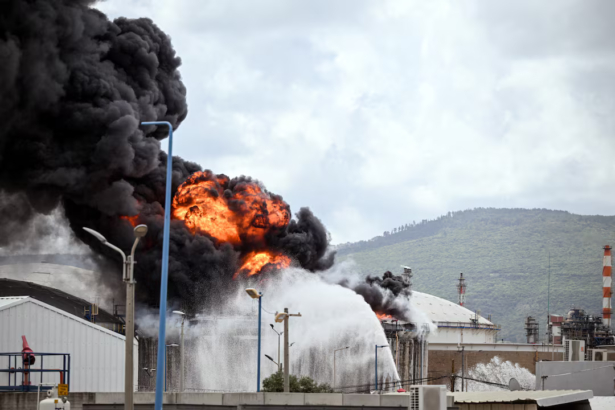
The conflict has severely impacted global energy markets. Oil prices have surged close to $115 per barrel, driven by fears of supply disruptions. The situation worsened after threats emerged against another key shipping route, the Bab el-Mandeb Strait.
On the ground, violence continues to spread. Hezbollah launched fresh rocket attacks from Lebanon, while clashes and strikes have been reported across Iraq and Gulf regions. Thousands have been killed since the conflict began, including civilians and military personnel.
The ongoing war has triggered one of the most severe disruptions to global energy supply in recent history. Analysts warn that markets are now preparing for further escalation, with little confidence in a near-term diplomatic resolution.
We welcome your contributions! Submit your blogs, opinion pieces, press releases, news story pitches, and news features to opinion@minutemirror.com.pk and minutemirrormail@gmail.com