

Summary
- Iran has signaled a sharp escalation in its regional stance, warning that it will no longer exercise restraint when targeting infrastructure in neighboring Gulf countries.
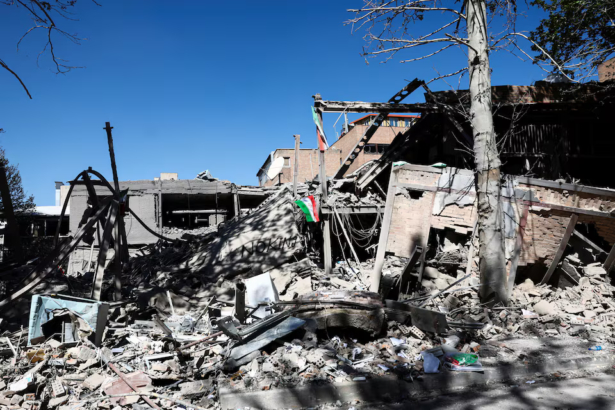
- Officials claim their forces have already carried out new strikes, including an attack on a vessel in the Gulf and damage to industrial facilities in Saudi Arabia connected to U.S.
- In response, Iran has threatened retaliation against key infrastructure in allied Gulf nations.
Iran has signaled a sharp escalation in its regional stance, warning that it will no longer exercise restraint when targeting infrastructure in neighboring Gulf countries. Officials claim their forces have already carried out new strikes, including an attack on a vessel in the Gulf and damage to industrial facilities in Saudi Arabia connected to U.S. interests.
At the same time, Tehran has firmly rejected a proposed temporary ceasefire delivered through intermediaries. Iranian leadership insists that any meaningful negotiations can only begin once the United States and Israel halt their military actions completely. In addition, Iran demands clear guarantees against future attacks and compensation for the damage caused by recent strikes.
Iranian officials have also outlined strict conditions for any long-term agreement. They emphasize that Iran must retain control over the strategic Strait of Hormuz and intend to impose transit fees on ships passing through the vital waterway, a move that could have major implications for global energy markets.
Meanwhile, tensions have intensified following a stark warning from U.S. leadership. Iran has been given a tight deadline to lift its blockade affecting Gulf oil routes. Failure to comply, according to the warning, could trigger rapid and large-scale strikes on Iran’s critical infrastructure, including bridges and power plants.
In response, Iran has threatened retaliation against key infrastructure in allied Gulf nations. Officials highlighted the vulnerability of cities in the region, noting that their dependence on power and water systems makes them particularly exposed in the event of sustained conflict.
The situation remains highly volatile, with both sides exchanging warnings that raise concerns about a broader regional crisis and potential disruption to global energy supplies
We welcome your contributions! Submit your blogs, opinion pieces, press releases, news story pitches, and news features to opinion@minutemirror.com.pk and minutemirrormail@gmail.com